Potential Therapeutic Effects of Juniperus phoenicea Extract Against Ethanol-Induced Gastric Injury in Male Mice: Histopathological and Ultrastructural Evidence
DOI:
https://doi.org/10.63318/waujpasv4i1_46Keywords:
Juniperus phoenicea, Ethanol, Gastric ulcer, Therapeutic effect, Cytology, HistopathologyAbstract
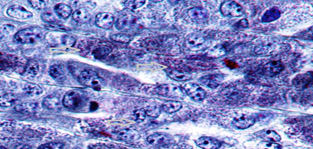
This study investigated the potential therapeutic effect of the aqueous extract of Juniperus phoenicea against ethanol-induced gastric injury in male Swiss albino mice. Sixty adult mice were randomly allocated into four groups: control, ethanol-treated, extract-treated, and ethanol + extract-treated groups. Gastric injury was induced by oral administration of absolute ethanol (1 mL/kg) on alternate days, while the plant extract was administered orally at a dose of 40 mg/kg daily for seven consecutive days. Ethanol exposure caused marked gastric damage characterized by epithelial erosion, vascular congestion, inflammatory cell infiltration, and disruption of normal mucosal architecture. In addition, ethanol-treated animals showed reduced body weight gain and alterations in hematological parameters. In contrast, treatment with J. phoenicea extract significantly improved gastric tissue structure, reduced inflammatory changes, and promoted restoration of epithelial organization. The treated group also demonstrated improvement in body weight and partial normalization of hematological indices. Ultrastructural examination confirmed recovery of cellular integrity, including restoration of mitochondria, secretory granules, and rough endoplasmic reticulum in gastric epithelial cells. These findings suggest that the aqueous extract of J. phoenicea possesses promising therapeutic activity against ethanol-induced gastric injury, possibly through antioxidant, anti-inflammatory, and tissue regenerative mechanisms. Further studies are recommended to identify its active constituents and evaluate its clinical applicability.
Downloads
Downloads
Published
Issue
Section
License
Copyright (c) 2026 The authors

This work is licensed under a Creative Commons Attribution-NonCommercial 4.0 International License.
This journal uses Creative Commons Attribution-Noncommerical 4.0 International License (CC BY-NC 4.0), which permits use, sharing, adaptation, distribution and reproduction in any medium or format, as long as you give appropriate credit to the original author(s) and the source, provide a link to the Creative Commons license, and indicate if changes were made. To view a copy of this license, visit https://creativecommons.org/licenses/by-nc/4.0/.
Copyright of articles
Authors retain copyright of their articles published in this journal.