Serum Tumor Markers CA15-3 and CEA for Early Breast Cancer Detection in a Low-Resource Population: A Cross-Sectional Study from Al-Jufra, Libya
DOI:
https://doi.org/10.63318/waujpasv4i1_50Keywords:
Serum tumor markers, CA15-3, CEA, Breast cancer, Oncology, LibyaAbstract
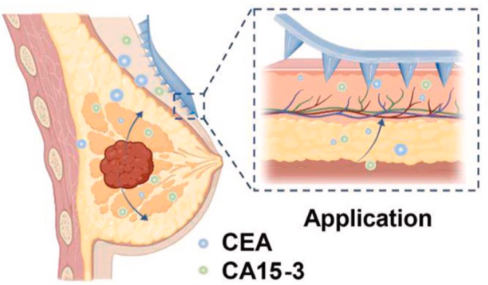
This study aimed to evaluate the role of the tumor markers CA15-3 and carcinoembryonic antigen (CEA) in contributing to the early detection of breast cancer among women in Al-Jufra Municipality. The data of this study were extracted from 92 women diagnosed with breast cancer and control group of 10 healthy women. Demographic and clinical data were collected, serum levels of CA15-3 and CEA were measured using the Cobas e 411 Analyzer. Data were analyzed using the Independent Samples t-test. The results demonstrated a significant increase in both CA15-3 and CEA levels in the patients compared with the control group. The mean CA15-3 level was 43.02 U/mL versus 6.19 U/mL in control group (p< 0.001), while the mean CEA level was 6.88 ng/mL in the patient compared with 1.78 ng/mL in controls (p< 0.001). Following treatment, CA15-3 levels showed a significant reduction, with a mean value of 19.33 U/mL (p< 0.001). Nevertheless, CA15-3 levels remained significantly higher than those observed in the control group (p < 0.01). In contrast, CEA levels did not exhibit a significant decrease after treatment (p = 0.965), compared with the control group after treatment (p = 0.096). The study concludes that CA15-3 was a potential marker for the presence of breast cancer and for evaluating treatment effectiveness compared to CEA marker. These findings highlight the potential role of CA15-3 serum tumor markers as supportive tools in breast cancer management in low-resource settings. Further studies using large sample sizes are needed.
Downloads
Downloads
Published
Issue
Section
License
Copyright (c) 2026 The author

This work is licensed under a Creative Commons Attribution-NonCommercial 4.0 International License.
This journal uses Creative Commons Attribution-Noncommerical 4.0 International License (CC BY-NC 4.0), which permits use, sharing, adaptation, distribution and reproduction in any medium or format, as long as you give appropriate credit to the original author(s) and the source, provide a link to the Creative Commons license, and indicate if changes were made. To view a copy of this license, visit https://creativecommons.org/licenses/by-nc/4.0/.
Copyright of articles
Authors retain copyright of their articles published in this journal.