Assessing the Effectiveness of Ondansetron and Dexamethasone in Reducing Nausea and Vomiting during Caesarean Section under Spinal Anaesthesia: A Systematic Descriptive Review
DOI:
https://doi.org/10.63318/waujpasv4i2_16Keywords:
Ondansetron, Dexamethasone, Nausea, Vomiting, Spinal Anesthesia, Caesarean sectionAbstract
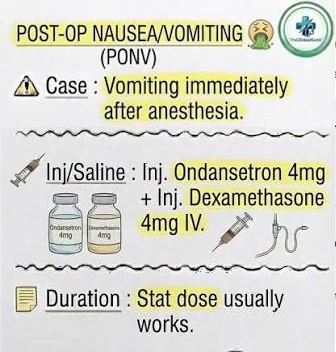
Background: Elective cesarean sections are commonly treated with spinal anesthesia, which is the most commonly used analgesic method. Nausea and vomiting following cesarean section with spinal anesthesia are frequently reported concerns of patients. The purpose of this study was to assess the effectiveness of medications in reducing nausea and vomiting in women who have undergone a cesarean section and spinal anesthesia. Methods: To conduct a systematic review, we searched the PubMed and Google Scholar databases for keywords such as nausea, vomiting, cesarean section, spinal anesthesia, ondansetron, and dexamethasone. The search for articles took place from 2014 to 2022. Results: Six studies were included, which consisted of five randomized controlled trials (RCTs) and one non-randomized clinical trial (NRCT). Similar drugs were used in these studies with different dosages to prevent nausea and vomiting following a cesarean section. The use of intravenous dexamethasone, intravenous ondansteron, and their combination was a part of the interventions. Conclusion: Dexamethasone's delayed effect on nausea and vomiting is not a concern, but given the findings, it could be a safe alternative to Ondansetron for postoperative nausea and vomiting prophylaxis. The preferred first-line agents seem to be Ondansetron, which is a 5-HT3 receptor antagonist. Using Ondansetron and dexamethasone together has been shown to help decrease nausea and vomiting during and after a cesarean delivery using spinal anesthesia.
Downloads
Downloads
Published
Issue
Section
License
Copyright (c) 2026 Authors

This work is licensed under a Creative Commons Attribution-NonCommercial 4.0 International License.
This journal uses Creative Commons Attribution-Noncommerical 4.0 International License (CC BY-NC 4.0), which permits use, sharing, adaptation, distribution and reproduction in any medium or format, as long as you give appropriate credit to the original author(s) and the source, provide a link to the Creative Commons license, and indicate if changes were made. To view a copy of this license, visit https://creativecommons.org/licenses/by-nc/4.0/.
Copyright of articles
Authors retain copyright of their articles published in this journal.