تأثير نوع المادة الأولية للفحم الحيوي ومعدل إضافته على الخصائص الفيزيائية للتربة الرملية الجافة
DOI:
https://doi.org/10.63318/waujpasv4i1_49الكلمات المفتاحية:
الفحم الحيوي، المادة الأولية، الكثافة الظاهرية، المسامية، السعة الحقلية، التوصيل الهيدروليكي للتربةالملخص
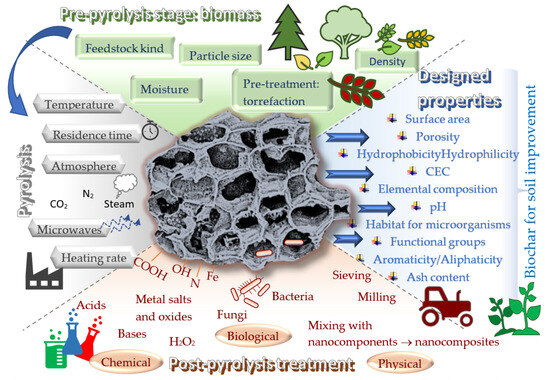
يُعدّ الفحم الحيوي (Biochar) من المحسّنات الواعدة لخصائص التربة الفيزيائية، إلا أن كفاءته تعتمد على نوع المادة الأولية ومعدل الإضافة. هدفت هذه الدراسة إلى تقييم تأثير أربعة أنواع من الفحم الحيوي (مخلفات الشعير، روث الأغنام، المواد الخشبية، وروث الدواجن) وبمعدلات إضافة (1، 3، 5، و10% وزن/وزن) على الكثافة الظاهرية، المسامية، السعة الحقلية، والتوصيل الهيدروليكي المشبع للتربة. أظهرت النتائج تحسناً معنوياً في جميع الخصائص المدروسة (p < 0.001)، حيث انخفضت الكثافة الظاهرية من نحو 1.10 إلى 0.80–0.82 جم/سم³ عند استخدام مخلفات الشعير وروث الأغنام (انخفاض 25–28%)، مقابل انخفاض أقل مع الأنواع الأخرى (11–19%). كما ارتفعت المسامية 68–69%، وزادت السعة الحقلية حتى 47% مع مخلفات الشعير. كما أثّر معدل الإضافة بشكل واضح، إذ انخفضت الكثافة الظاهرية إلى 0.78 جم/سم³ عند 10%، وارتفعت المسامية إلى 68%. أما التوصيل الهيدروليكي فأظهر سلوكاً غير خطي، حيث انخفض عند المعدلات المنخفضة وارتفع بشكل كبير عند 5–10%. بشكل عام، تعتمد كفاءة تحسين التربة على نوع الفحم الحيوي ومعدل إضافته، مع أفضل النتائج عند استخدام مخلفات وروث الحيوانات بمعدلات 5–10%.
التنزيلات
التنزيلات
منشور
إصدار
القسم
الرخصة
الحقوق الفكرية (c) 2025 المؤلفون

هذا العمل مرخص بموجب Creative Commons Attribution-NonCommercial 4.0 International License.
تستخدم هذه المجلة رخصة المشاع الإبداعي-غير تجاري نَسب المُصنَّف 4.0 دولي (CC BY-NC 4.0)، والتي تسمح بالاستخدام والمشاركة والتوزيع والاستنساخ بأي وسيط أو صيغة، طالما أنك تعطي الفضل المناسب للمؤلف (المؤلفين) الأصلي والمصدر، وتوفر رابطًا لرخصة المشاع الإبداعي، وتشير إلى ما إذا تم إجراء تغييرات. للاطلاع على نسخة من هذا الترخيص، قم بزيارة /https://creativecommons.org/licenses/by-nc/4.0
حقوق الطبع والنشر للمقالات
يحتفظ المؤلفون بحقوق الطبع والنشر لمقالاتهم المنشورة في هذه المجلة.