الراحة الحرارية للمباني التي تعمل بتقنية الخلايا الكهروضوئية المدمجة
DOI:
https://doi.org/10.63318/waujpasv4i1_16الكلمات المفتاحية:
الواجهات مزدوجة الاوجه، الخلايا الكهروضوئية شبه الشفافة، الراحة الحرارية، المباني الزجاجية، الخلايا الكهروضوئية المدمجة في المبانيالملخص
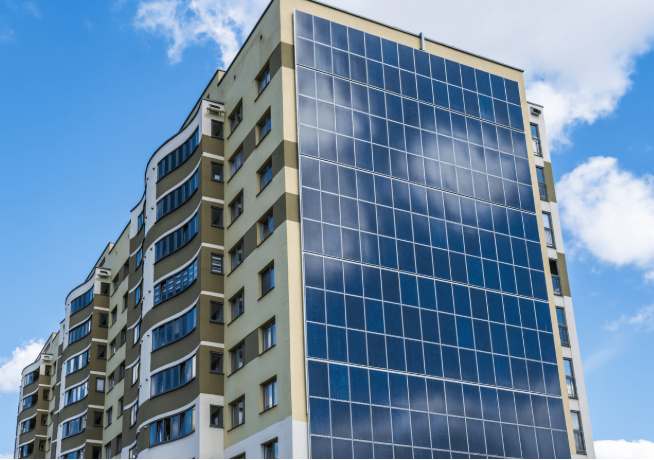
في ظل الانتشار المتزايد للواجهات الزجاجية في المباني التجارية المعاصرة، برزت تحديات جوهرية تتعلق بتحقيق الراحة الحرارية وارتفاع معدلات استهلاك الطاقة. وتتفاقم هذه الإشكالية في المناطق التي تعاني من أزمات طاقة مزمنة، كما هو الحال في فلسطين. ومن هذا المنطلق، يقترح هذا البحث حلاً مبتكرًا يتمثل في دمج أنظمة الخلايا الكهروضوئية ضمن أغلفة المباني (Building Integrated Photovoltaics – BIPV)، بما يسهم في تعزيز الراحة الحرارية وتحسين كفاءة الطاقة على مستوى المبنى ككل. يركّز البحث على دراسة التكامل الفني للخلايا الكهروضوئية مع عناصر غلاف المبنى، من خلال تحليل العوامل المؤثرة في الأداء الحراري، مثل انتقال الحرارة، والتوصيل الحراري، والظروف البيئية الداخلية. وتُظهر النتائج أن أنظمة الواجهات المزدوجة المدمجة بالخلايا الشمسية تمتلك إمكانات كبيرة في الحد من اكتساب الحرارة الشمسية، الأمر الذي يؤدي إلى تقليل أحمال التبريد والتدفئة، إلى جانب إنتاج طاقة نظيفة في موقع المبنى ذاته. ويتناول البحث فلسطين كدراسة حالة، حيث تتقاطع وفرة الإشعاع الشمسي مع تحديات سياسية واقتصادية وبنيوية تؤثر بشكل مباشر في قطاع الطاقة. وتعتمد الدراسة على مراجعة وتحليل أحدث الأبحاث في مجالات الراحة الحرارية، وتقنيات الواجهات المعمارية، وتكامل الأنظمة الكهروضوئية، مؤكدة أن واجهات BIPV تمثل خيارًا فعالًا لتحقيق ترشيد استهلاك الطاقة وتحسين جودة البيئات الداخلية. وتخلص الدراسة إلى أن دمج الأنظمة الشمسية ضمن غلاف المبنى يسهم بشكل ملموس في تحقيق أهداف الاستدامة وتعزيز أمن الطاقة، فضلًا عن رفع مستوى راحة المستخدمين. كما يدعم هذا التوجه التحول نحو مبانٍ منخفضة أو شبه معدومة استهلاك الطاقة، ليس في فلسطين فحسب، بل في جميع المناطق التي تتشابه في ظروفها المناخية.
التنزيلات
منشور
إصدار
القسم
الرخصة
الحقوق الفكرية (c) 2026 المؤلفون

هذا العمل مرخص بموجب Creative Commons Attribution-NonCommercial 4.0 International License.
تستخدم هذه المجلة رخصة المشاع الإبداعي-غير تجاري نَسب المُصنَّف 4.0 دولي (CC BY-NC 4.0)، والتي تسمح بالاستخدام والمشاركة والتوزيع والاستنساخ بأي وسيط أو صيغة، طالما أنك تعطي الفضل المناسب للمؤلف (المؤلفين) الأصلي والمصدر، وتوفر رابطًا لرخصة المشاع الإبداعي، وتشير إلى ما إذا تم إجراء تغييرات. للاطلاع على نسخة من هذا الترخيص، قم بزيارة /https://creativecommons.org/licenses/by-nc/4.0
حقوق الطبع والنشر للمقالات
يحتفظ المؤلفون بحقوق الطبع والنشر لمقالاتهم المنشورة في هذه المجلة.