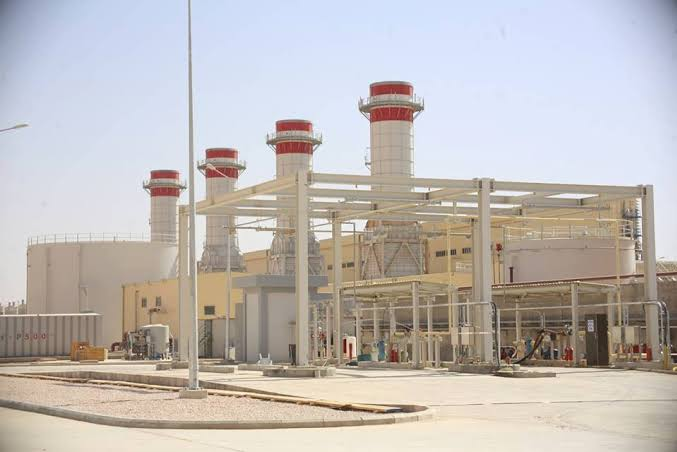
The Impact of Fuel Type on the Economic, Environmental, and Energy Performance of Power Generation Plants: A Case Study of the Ubari Gas Power Plant-Libya
DOI:
https://doi.org/10.63318/waujpasv4i2_17Keywords:
Power plants, fossil fuels, Energy performance, Environmental impact, Efficiency, Ubari gas power plantAbstract
This study aims to analyze the effect of fuel type on the thermal, environmental, and economic performance of power generation plants. The Brighton cycle model, with ideal gas and stable operation assumptions, was used to evaluate turbine performance using crude oil, natural gas, diesel, and heavy fuel oil. The results showed that natural gas achieved the highest thermal efficiency (up to 35.7%), the lowest CO2 emissions, and the lowest energy production cost compared to the other fuel types. Crude oil and heavy fuel oil, on the other hand, exhibited the lowest thermal performance, highest emissions, and highest energy production cost. The study also revealed that specific fuel consumption increases with decreasing thermal efficiency. These findings highlight the importance of fuel type selection in improving plant efficiency and reducing environmental impact, making natural gas the optimal choice for gas turbine operation.
Downloads
Downloads
Published
Issue
Section
License
Copyright (c) 2026 The authors

This work is licensed under a Creative Commons Attribution-NonCommercial 4.0 International License.
This journal uses Creative Commons Attribution-Noncommerical 4.0 International License (CC BY-NC 4.0), which permits use, sharing, adaptation, distribution and reproduction in any medium or format, as long as you give appropriate credit to the original author(s) and the source, provide a link to the Creative Commons license, and indicate if changes were made. To view a copy of this license, visit https://creativecommons.org/licenses/by-nc/4.0/.
Copyright of articles
Authors retain copyright of their articles published in this journal.